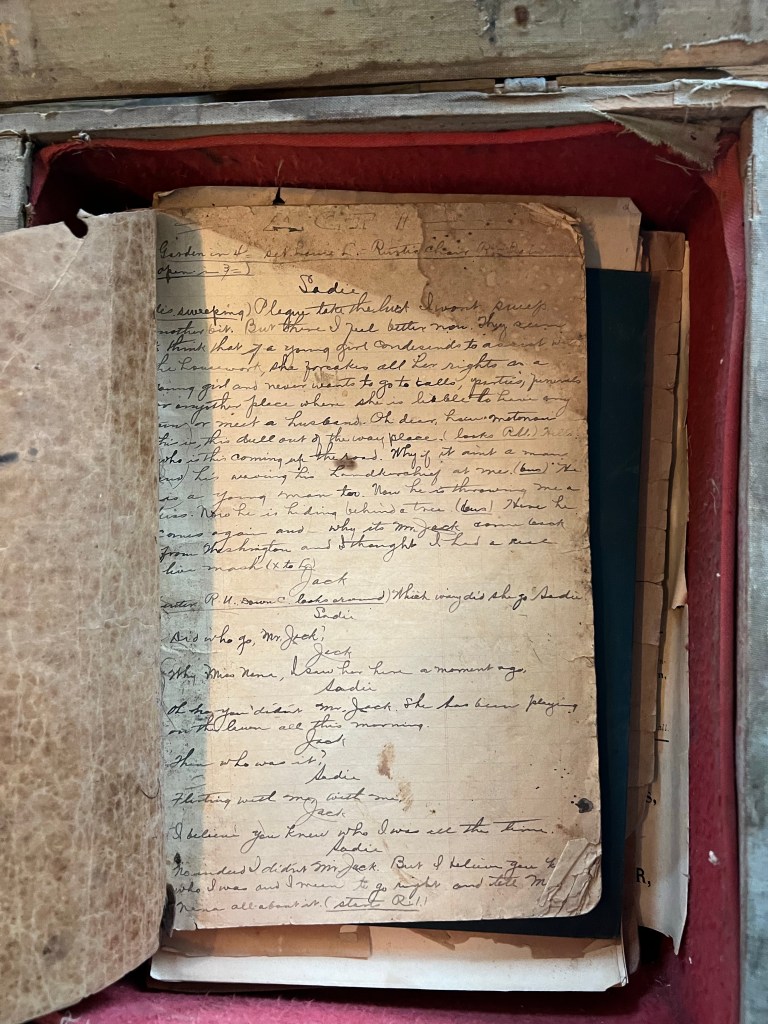
Last year I came across a small, personal use, antique trunk at a garage sale. I picked it up to get a better look and it felt heavier than what I expected. I sat it down and lifted the lid. It was full of the original owners things. As I riffled through, I saw manuscripts for plays from the late 1800’s and early 1900’s, mostly handwritten. There were newspaper and fliers advertising the plays. I also found actor manuals, wigs, a wig stand, personal letters, a piano rental contract, receipts, and more.
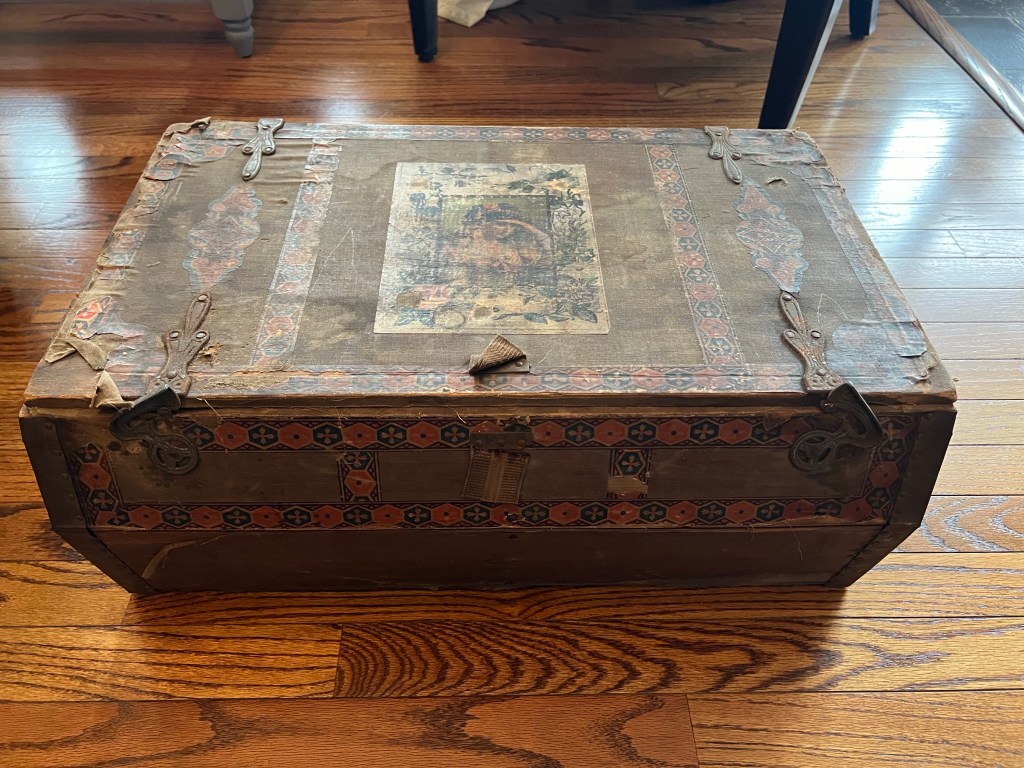
I was transported to a life that was unlike any I have researched before.
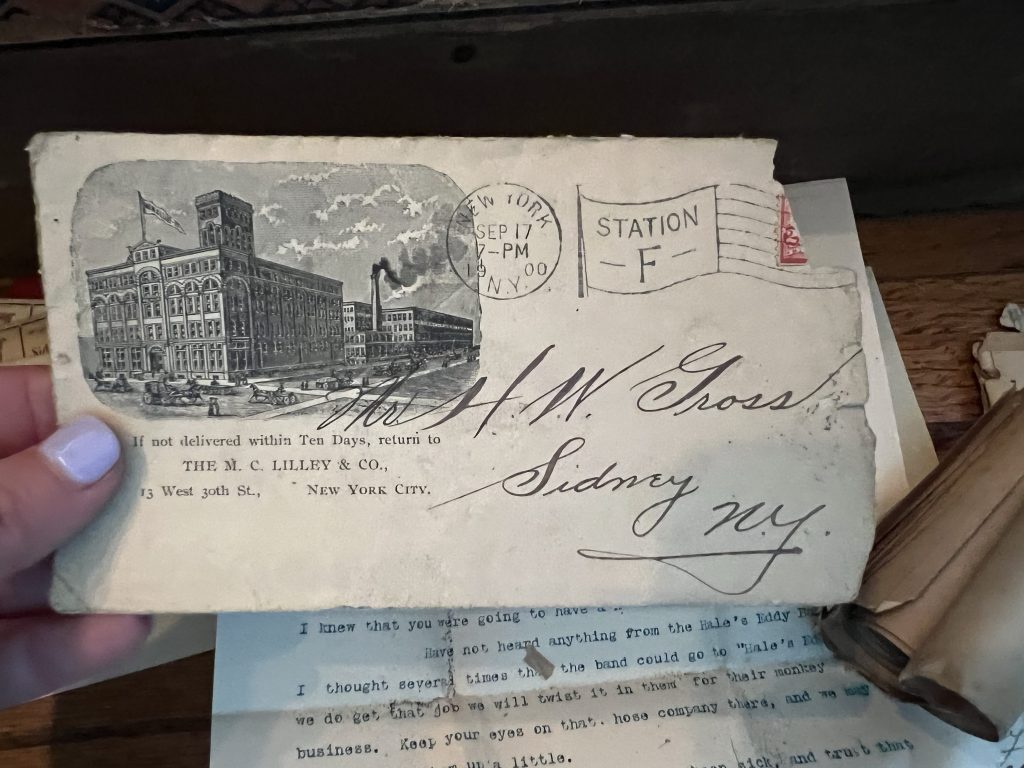
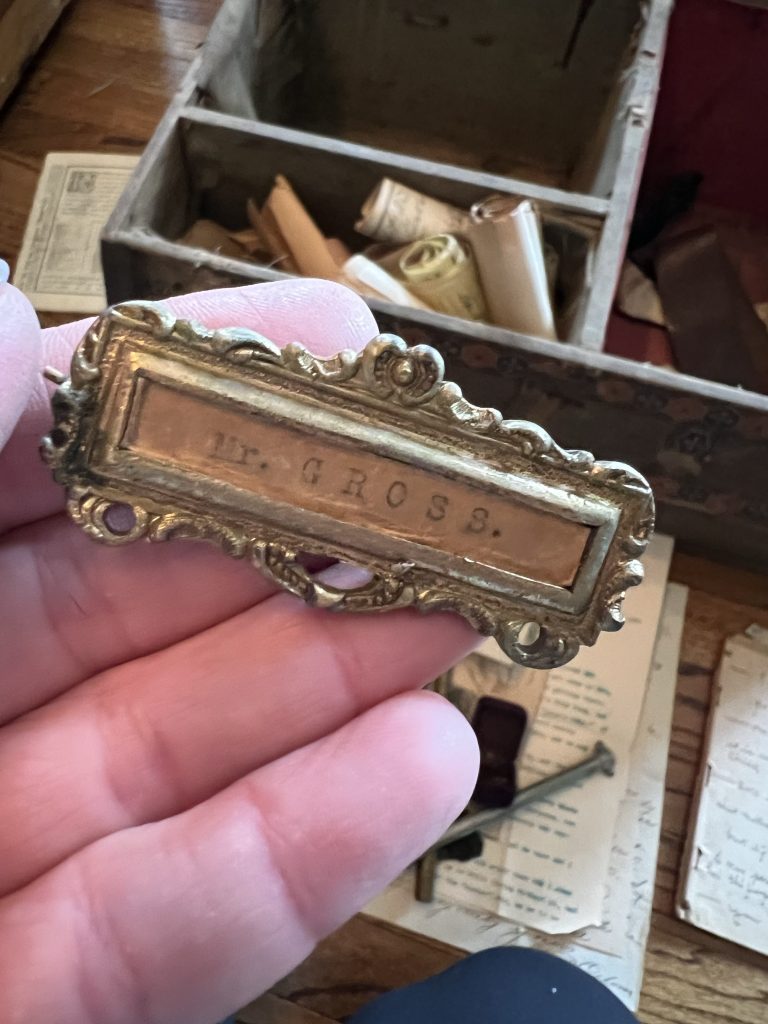
As I started pulling out the items I discovered that this trunk belonged to a Harry W. Gross. In the late 1800’s Harry was living in Sidney, NY. He traveled around several states to put on many different plays. In one play he was even the director! I was intrigued by the gilded age life of this actor. I was discovering him more and more as I pulled new items out of the trunk.
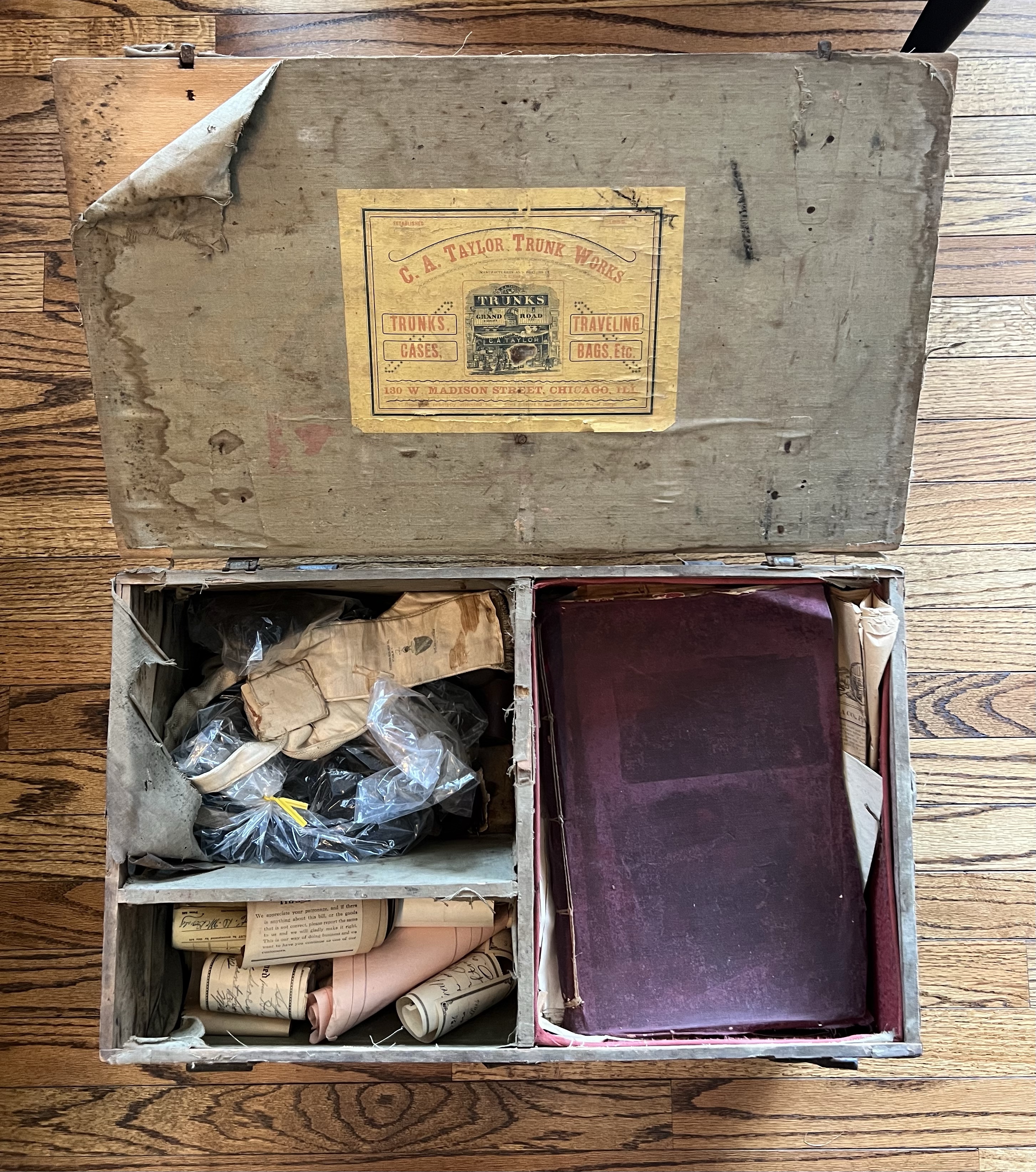
how did this trunk make it to a garage sale in Missouri?
There are letters between friends and a picture of his niece from San Francisco. This box is full of his personal effects mostly from his life as an actor. Additionally, he kept receipts in the trunk that are dated into the 1930’s. At that time he was living in Omaha, NE. Within the documents was also a typed and signed contract. Harry agreed to buy pianos, organs and merchandise from them to resell them for his own profit. I purchased this trunk and all of its contents for $60.
Would you have bought it?
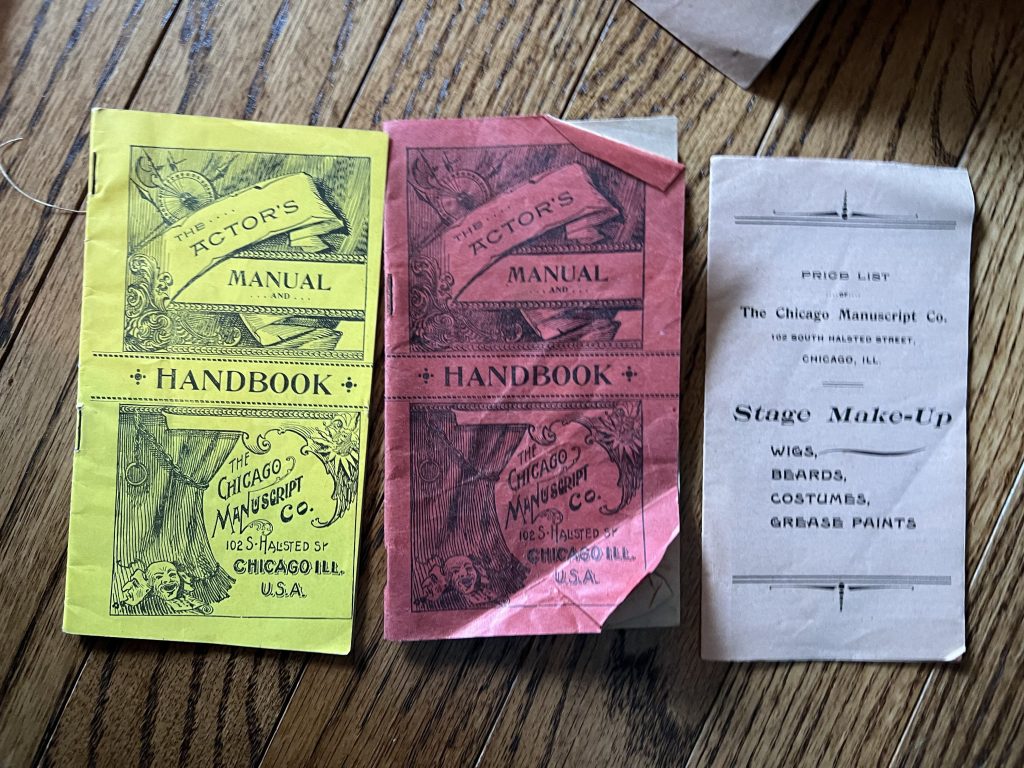
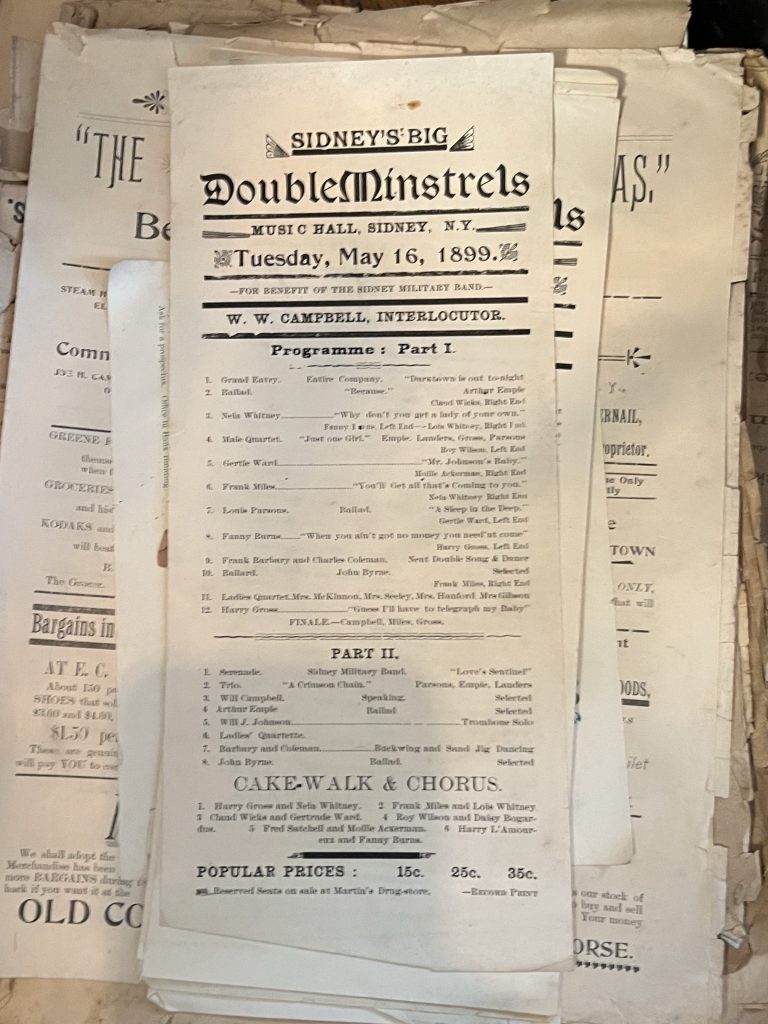
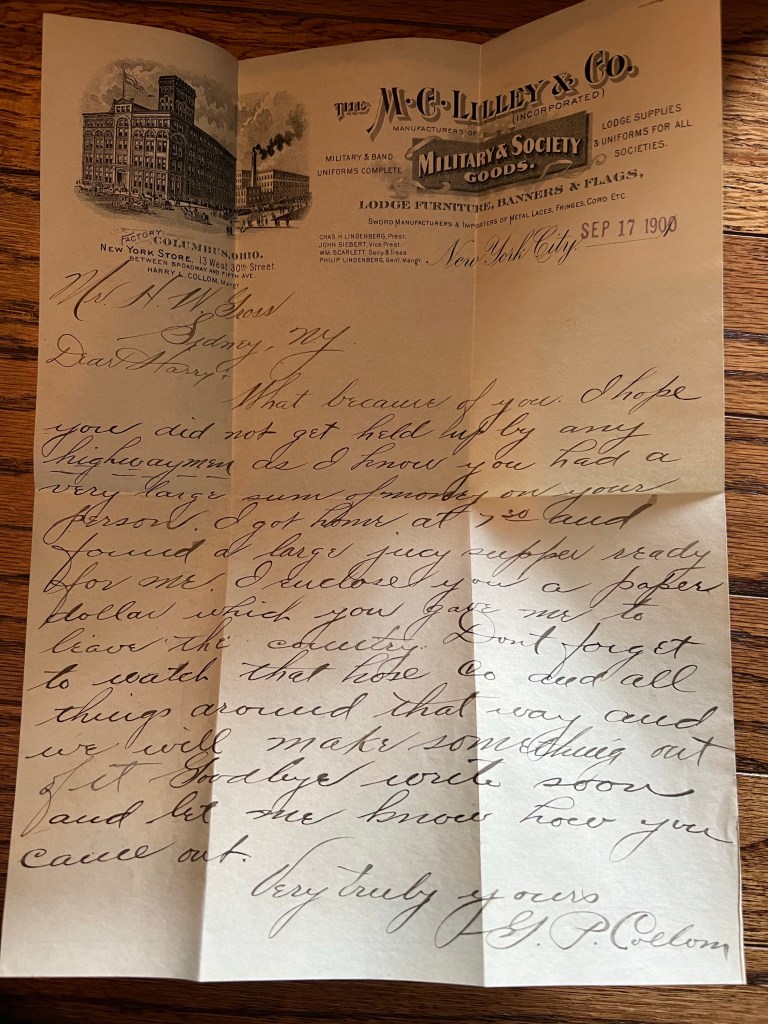
‘The first decade of the twentieth century was one of the last decades in which entertainment was still largely local and noncommercial. Movies were still in their infancy. Broadway had not yet gained a reputation as the center of serious and popular theater. Most Americans sought their entertainment in small local theaters, at vaudeville shows, and—in a growing number of cities—in storefront nickelodeons. Although wealthier Americans in large cities could attend serious professional performances of opera and of classic plays, such as the works of Shakespeare, most Americans enjoyed rougher, less polished fare. In the 1900s, twenty-first-century-style film and theater—polished productions that can be enjoyed by the masses in a variety of locations—simply did not exist, ‘ Encyclopedia.com 2019
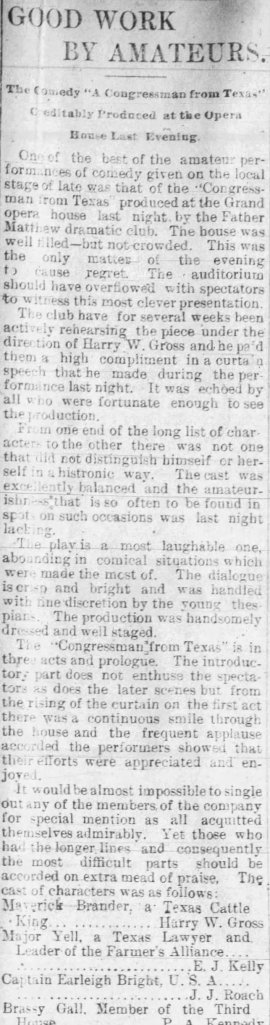
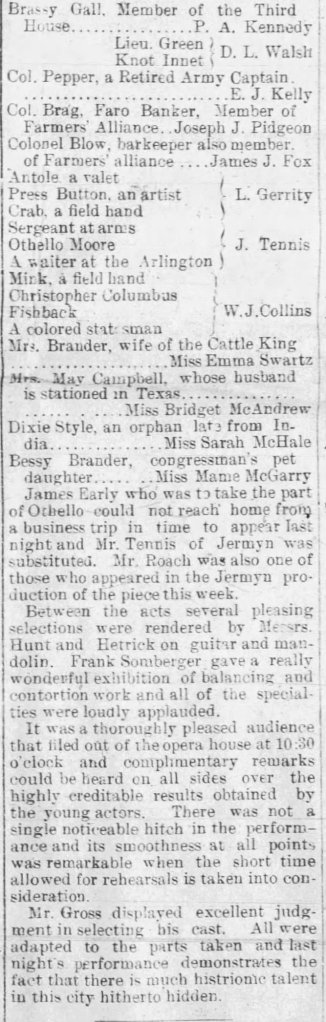
Harry W. Gross in the News Carbondale Daily News 6/18/1897
Reading about Harry as a director and an actor was exciting!
You can see the pride he had for his cast and the play at large. He saved the tangible transcripts that were mostly handwritten at his time. He also kept all his other theater belongings. The passion he had was clear. I personally have never acted a day in my life. Have you ever been in a play? I want to know all about it!
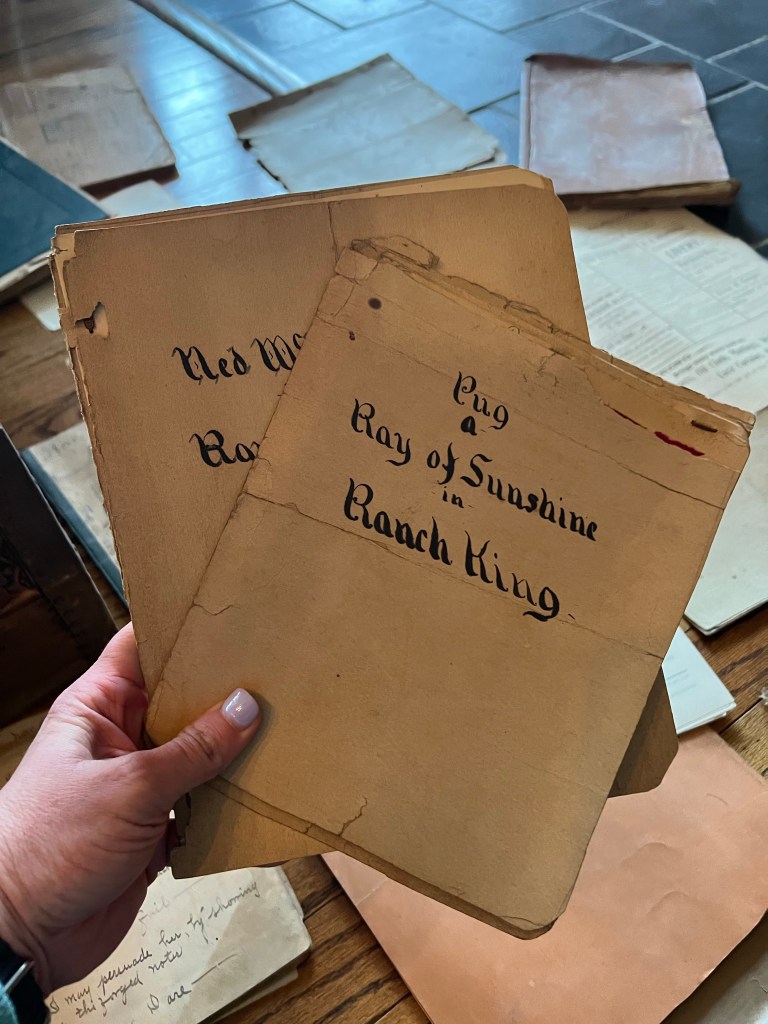
pioneerflunkies.com 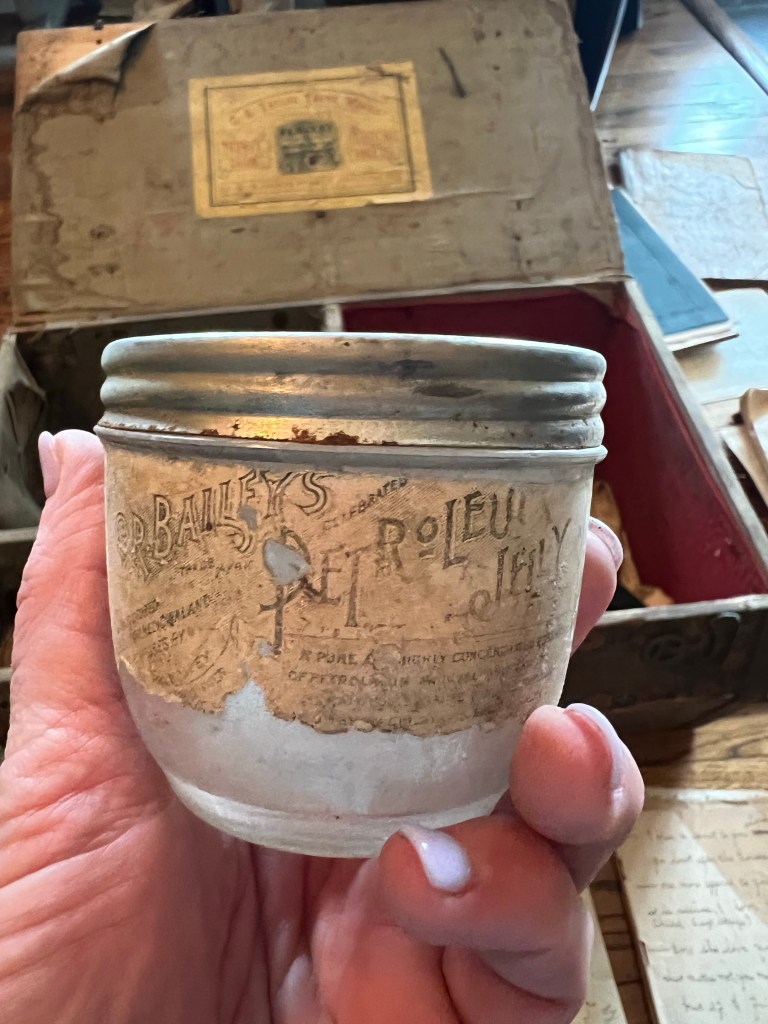
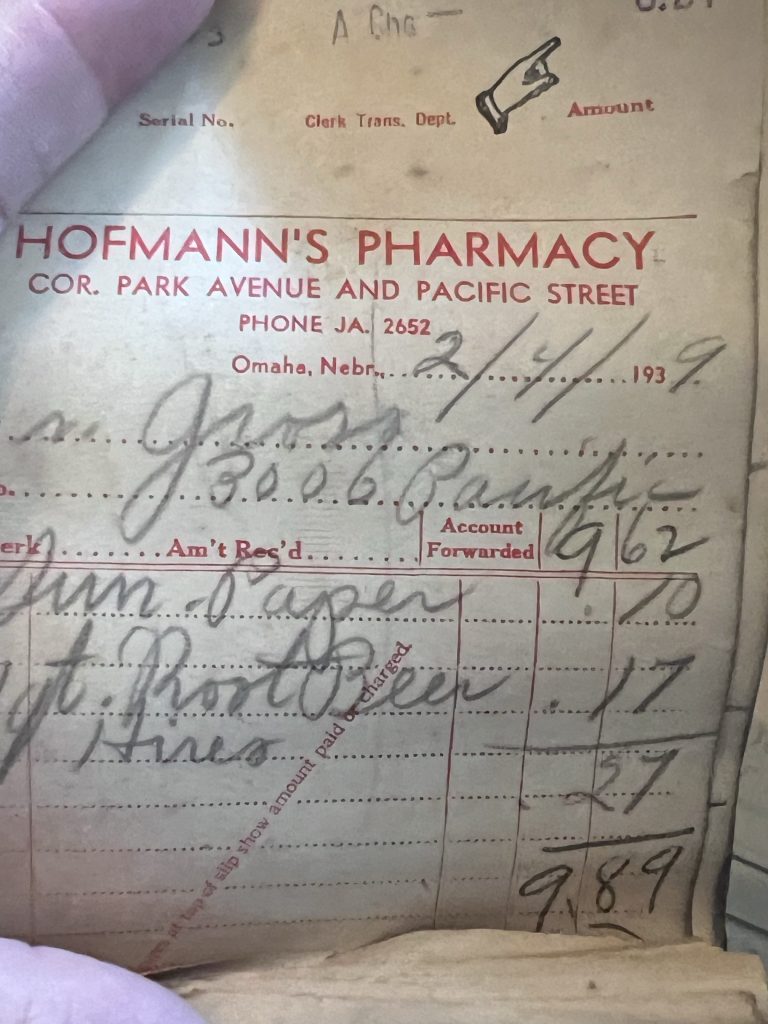
This quote from Kate Morton in The Clockmaker’s Daughter best describes what happened to me next in my Harry W. Gross research, “Don’t slide down the rabbit hole. The way down is a breeze, but climbing back’s a battle.” I have researched, dug, and scratched down and up the rabbit holes looking for Harry. I tried again and again to locate this exact Harry W. Gross. I want to find him with verifiable evidence. Down the rabbit hole I will go, again.
Have you ever found an item like this at a garage sale? I would buy it all over again.
Here is a post I wrote about my family called Missouri Slavery to Louisiana Freedom. Give it a read 🙂
I created a document to keep track of my families special treasures to document the history and location. Check it out here!
Spring is coming and this Candy Apple Salad Recipe always finds a way to my table. A must try!







 Roots of Discovery
Leave a comment